The Guide to App Development: Key Strategies and a Real-World Example
In the ever-evolving digital landscape, mobile apps have become a crucial touchpoint for businesses to engage with their customers. App development is no mere trend; it is a necessity for companies looking to stay competitive in the digital age. In this blog, we will walk through the core strategies for successful app development and illustrate these with a real-world example.
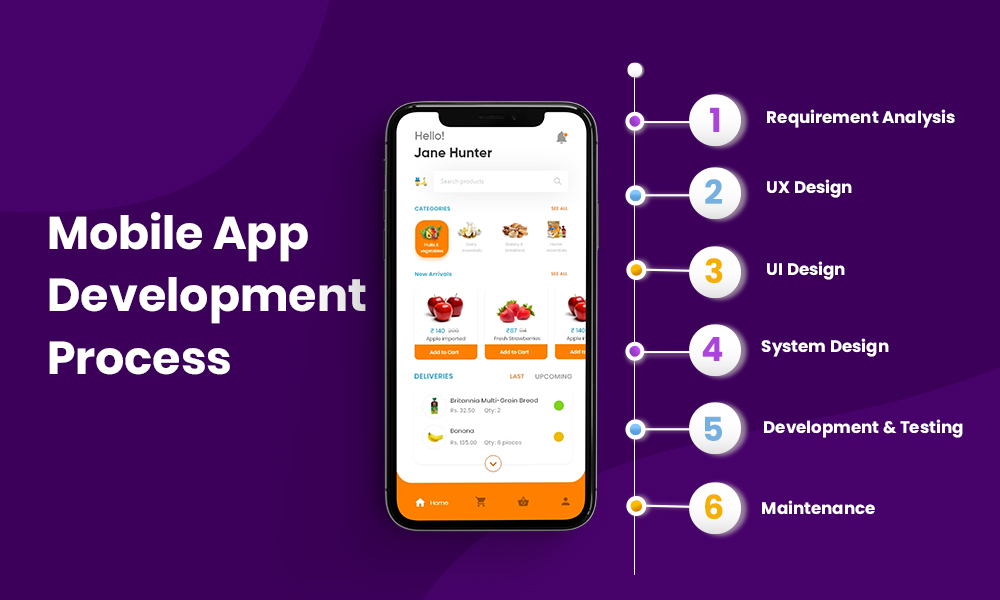
Understanding the App Development Process
Before diving into the strategies, it’s essential to understand the app development process, which generally includes:
- Idea Generation and Research: Identifying a market need and conceptualizing an app solution.
- Planning: Defining the app’s features, target audience, and objectives.
- Design: Creating the user interface (UI) and user experience (UX) designs.
- Development: Writing the code and building the app’s functionalities.
- Testing: Ensuring the app’s quality through various tests.
- Launch: Releasing the app to the market.
- Maintenance and Updates: Keeping the app up-to-date and fixing any issues.
Key Strategies for App Development
1. User-Centric Design
- Focus on UI/UX: The user interface and experience are paramount. An app must be intuitive and easy to navigate.
- Engage Users Early: Get feedback from potential users during the design phase to incorporate their input.
2. Agile Development Method
- Iterative Process: Use agile methodologies to build your app in cycles, allowing for regular feedback and adjustments.
- Flexibility: Be prepared to pivot or make changes based on user feedback or market trends.
3. Cross-Platform Compatibility
- Reach a Wider Audience: Develop your app for multiple platforms (iOS, Android, web) to maximize your user base.
- Use Cross-Platform Tools: Consider using frameworks like React Native or Flutter to streamline the development process.
4. Performance Optimization
- Speed is Key: Ensure your app loads quickly and runs smoothly.
- Regular Testing: Perform performance testing regularly and before any major update.
5. Security Measures
- Protect User Data: Implement strong encryption and secure data storage.
- Regular Updates: Keep your app’s security measures up to date to protect against new threats.
6. Marketing and Launch
- Build Anticipation: Start marketing your app before its launch to build interest.
- App Store Optimization (ASO): Optimize your app store listings to improve visibility.
7. Analytics and Improvement
- Track User Engagement: Use analytics to understand how users interact with your app.
- Iterate and Improve: Use the data to make informed decisions about future updates and features.
Real-World Example: "EcoTrack" App Development Case Study
Background: EcoTrack is an app designed to help individuals reduce their carbon footprint by tracking daily activities and suggesting eco-friendly alternatives.
Idea Generation
- Market Need: With climate change being a pressing issue, the developers identified a need for an easy way to promote sustainable living.
- Conceptualization: The idea was to create an app that not only tracks carbon emissions but also educates and motivates users to make greener choices.
Planning
- Target Audience: Environmentally conscious individuals looking to make a difference through daily actions.
- Features: Carbon footprint tracking, daily tips, rewards system, community challenges, and educational resources.
Design
- User Feedback: Early mockups were shared with focus groups to gather feedback on the UI/UX.
- UI/UX Design: The design was kept clean and green-themed, with easy navigation to encourage usage.
Development
- Agile Methodology: The app was developed in two-week sprints, with new features rolled out regularly.
- Cross-Platform: EcoTrack was developed for both iOS and Android using React Native.
Testing
- Beta Testing: An early version was released to a select group for feedback on performance and bugs.
- Performance Tweaks: Based on feedback, optimizations were made to improve speed and responsiveness.
Launch
- Pre-Launch Campaign: Social media campaigns and partnerships with eco-friendly brands were used to create buzz.
- ASO: The app’s listing was optimized with keywords related to sustainability and green living.
Maintenance and Updates
- User Feedback: Continued feedback was sought to inform updates and feature additions.
- Regular Updates: EcoTrack regularly released updates to enhance features and maintain security.
Through this example, we can see how the aforementioned strategies are applied in real-world app development. EcoTrack’s developers focused on user experience, performance, and security, while also ensuring the app was marketed effectively and kept up-to-date post-launch. These strategies are essential for any app developer looking to achieve success in the crowded app marketplace.