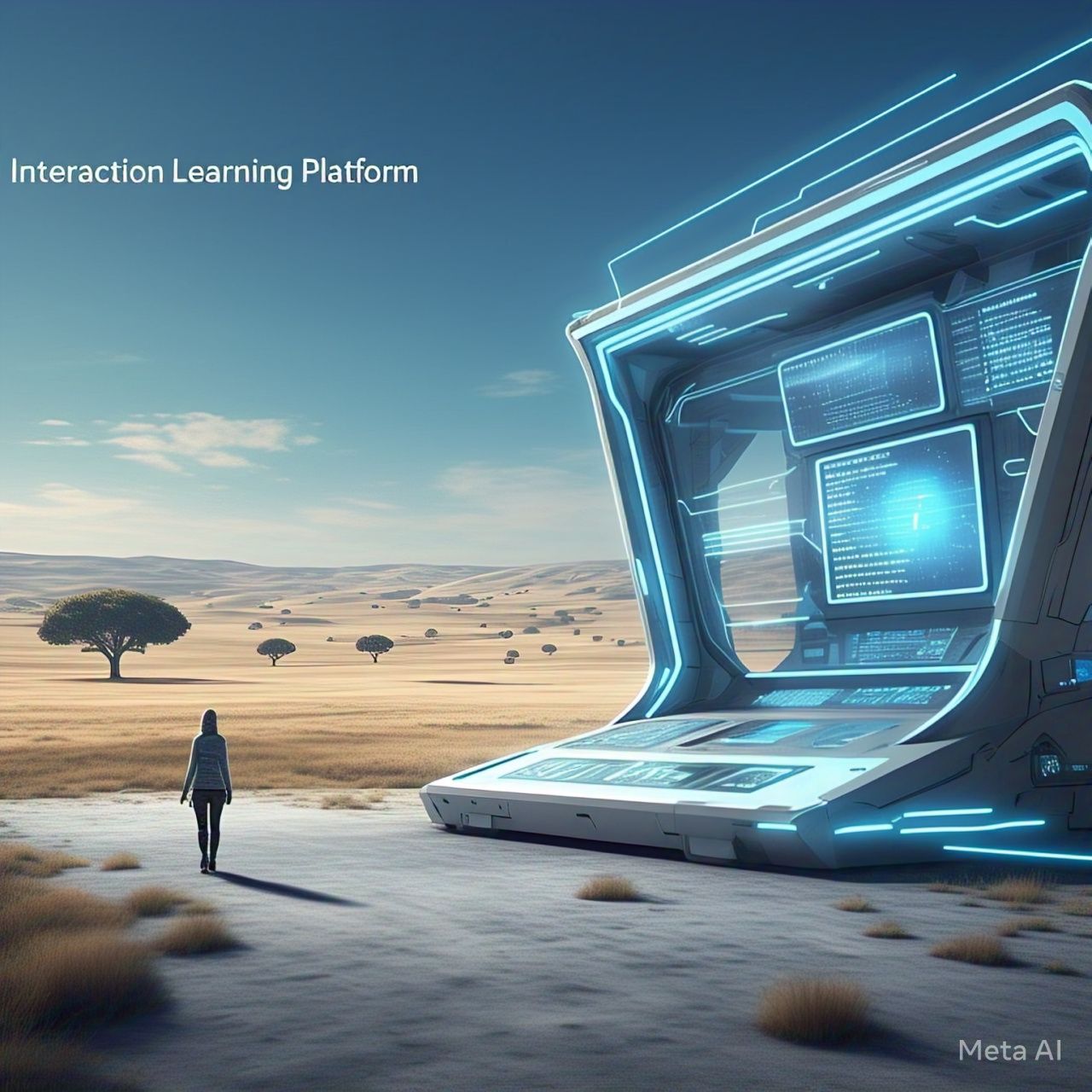
Interactive Learning Platform for Developers: A Game Changer in Tech Education
Overview
The Interactive Learning Platform for Developers is an innovative project designed to provide a dynamic and engaging environment for developers to learn and enhance their technical skills. The platform offers a range of interactive coding challenges, tutorials, and real-world projects across various programming languages and technologies. It focuses on hands-on learning, allowing users to solve problems in real time, receive instant feedback, and track their progress. The platform also integrates a community-driven approach, enabling developers to collaborate, share knowledge, and participate in peer reviews. By incorporating gamification elements and personalized learning paths, the platform aims to make the development learning experience more enjoyable, effective, and aligned with the needs of today’s tech industry. Whether you're a beginner or an experienced developer, this platform provides the tools and resources to continuously improve your skills and stay up-to-date with emerging technologies.
The Need for an Interactive Learning Platform
The traditional approach to learning programming—reading documentation, watching videos, and solving exercises in isolation—often lacks engagement and real-world application. Developers, both beginners and experienced, need an environment where they can learn by doing, collaborate with peers, and receive instant feedback.
Moreover, as technology advances, companies seek developers who can work in a team, understand agile methodologies, and adapt to real-world programming challenges. A structured yet interactive learning approach ensures that learners not only understand coding but also how to apply it efficiently in professional environments.
Use Case & Logic Changes in Learning
1. Real-Time Coding Challenges
Instead of static problem-solving, an interactive learning platform offers live coding challenges with real-time feedback. Users can solve problems while AI-based tools evaluate their code efficiency, correctness, and best practices. Challenges can be customized based on individual learning progress, allowing beginners to focus on fundamentals while advanced users can tackle more complex problems.
Additionally, incorporating real-world scenarios—such as debugging broken code or optimizing performance—ensures that learners acquire skills relevant to industry needs.
2. Peer-to-Peer Collaboration
A built-in collaborative coding environment allows developers to pair-program, review each other’s code, and debug together in real time. This replicates a real-world development team experience, improving communication and teamwork skills.
Live coding rooms, where multiple users can solve problems simultaneously while discussing their approaches, provide an immersive learning experience. Developers can also request mentorship from experienced users, fostering a strong sense of community and knowledge sharing.
3. AI-Powered Hints & Suggestions
Instead of showing complete solutions, AI-powered hints help learners think critically. If a user struggles, AI suggests possible solutions step by step, ensuring they learn without frustration. The AI adapts to user behavior, identifying areas where they frequently make mistakes and offering targeted practice exercises.
By integrating natural language processing, the AI can also provide explanations in plain English, making it easier for users to understand why a particular approach works better than another.
4. Gamification for Motivation
A point-based system with badges and leaderboards enhances engagement. Developers can earn rewards for completing challenges, contributing to discussions, and helping others debug their code.
Additional features such as streak tracking (to encourage consistency), achievement milestones, and personalized goal-setting provide extra motivation. Gamification not only increases user retention but also makes learning more enjoyable and less stressful.
5. Live Workshops & Community Learning
The platform integrates real-time workshops and coding bootcamps, allowing experts to conduct live sessions where participants can code along and get instant feedback. Interactive Q&A sessions further enhance engagement, and recorded sessions allow users to revisit key concepts whenever needed.
An integrated forum where learners can discuss topics, share insights, and solve each other’s doubts fosters a sense of community, making the learning process more interactive and enjoyable.
Why This Over Traditional Learning Methods?
- Hands-On Learning: Instead of passively consuming information, developers actively engage in coding challenges.
- Instant Feedback: No need to wait for someone to review; AI and community-driven feedback accelerate learning.
- Real-World Skills: The collaborative approach mimics professional environments, preparing developers for teamwork in real projects.
- Adaptive Learning Paths: AI customizes challenges based on individual strengths and weaknesses, optimizing learning speed.
- Stronger Community Engagement: Developers learn faster when they work in a team, discuss concepts, and share knowledge with peers.
- Encourages Continuous Learning: With gamified rewards and interactive content, learners are motivated to keep improving their skills instead of abandoning courses midway.
Better Technologies for an Interactive Learning Platform
- Next.js & React – For a fast, interactive, and SEO-friendly front-end experience.
- NestJS & WebSockets – For real-time collaboration and communication.
- MongoDB/MySQL – Flexible database options to handle user progress, challenges, and interactions efficiently.
- AI & GPT-Based Assistance – Smart suggestions, error detection, and personalized recommendations.
- WebRTC & Live Streaming – For real-time workshops and peer programming sessions.
- Docker & Kubernetes – For efficient deployment and scalability of coding environments.
- GraphQL & REST APIs – To enable efficient data fetching and integration with various services.
Conclusion
An interactive learning platform transforms how developers acquire skills. It enhances engagement, accelerates learning, and fosters a community-driven approach. By leveraging cutting-edge technologies, we can bridge the gap between theory and real-world programming, empowering the next generation of developers.
With features such as AI-driven assistance, gamification, and peer collaboration, this platform not only simplifies learning but also ensures that developers gain practical, industry-relevant experience. As the demand for skilled developers continues to rise, interactive platforms will play a crucial role in shaping the future of tech education.