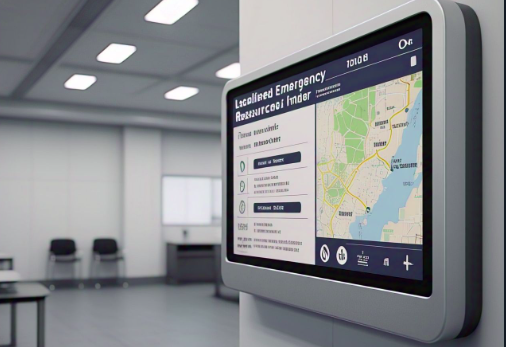
Localized Emergency Resource Finder: A Game-Changer in Crisis Management
Introduction
Emergencies are unpredictable, and their impact can be severe, often leaving individuals and communities in dire need of immediate assistance. Whether it’s finding the nearest hospital, locating an available ambulance, accessing shelters during a natural disaster, or connecting with emergency service providers, the challenge lies in quick and accurate resource identification.
This is where a Localized Emergency Resource Finder comes into play. A web or mobile application designed to provide real-time information about essential emergency resources, it has the potential to save lives and alleviate distress during critical situations.
Why Is There a Need for This Solution?
In a world increasingly prone to natural disasters, health crises, and other emergencies, having a reliable platform to locate life-saving resources is crucial. Here's why this solution is essential:
1. Time-Sensitive Decision Making
In emergencies, delays can cost lives. An app that provides instant access to hospitals, police stations, or emergency services can significantly improve response times.
2. Resource Mismatch
People often face difficulties finding available hospital beds, ambulances, or shelters because information is scattered and outdated.
3. Localized Assistance
Global platforms may not always offer hyper-localized data. A solution that focuses on specific localities ensures better and more accurate resource mapping.
4. Disaster Preparedness
During natural disasters, real-time information about safe zones, relief centers, and roadblocks can guide people to safety efficiently.
How to Create a Localized Emergency Resource Finder
Building a fully functional and efficient Localized Emergency Resource Finder requires thoughtful planning and the integration of various technologies. Below are the key steps and recommended tools:
1. Define Features and Scope
- User Interface (UI): Design a simple, intuitive UI for both mobile and desktop users.
- Search and Filters: Allow users to search for resources like hospitals, fire stations, and pharmacies.
- Real-Time Updates: Display real-time availability and status updates.
- Location Services: Integrate GPS for accurate user location tracking.
- Emergency Alerts: Notify users of ongoing emergencies or critical updates.
2. Choose the Right Tech Stack
Frontend
- Frameworks: React, Next.js, or Vue.js for a fast and responsive interface.
- Styling: Tailwind CSS for efficient and customizable design.
Backend
- Framework: Node.js with Express for scalable and efficient backend services.
- Database: MongoDB for dynamic and real-time data storage.
- APIs: Integration with third-party APIs like Google Maps and OpenStreetMap.
Additional Services
- Real-Time Data Handling: Firebase or Socket.IO for real-time updates.
- Notifications: Push notifications using Firebase Cloud Messaging (FCM).
- Cloud Hosting: AWS or DigitalOcean for scalable deployment.
3. Implementation Plan
- Design the User Interface: Create wireframes and UI prototypes.
- Develop Backend APIs: Set up RESTful APIs for resource retrieval and user requests.
- Integrate Mapping Services: Use Google Maps API for location visualization.
- Implement Real-Time Features: Handle resource status changes in real-time.
- Testing: Perform rigorous testing to ensure reliability.
- Deployment: Deploy the application on cloud platforms for public access.
Use Cases
1. Health Emergencies
- Finding the nearest hospitals with available beds.
- Accessing emergency contact numbers.
2. Natural Disasters
- Locating shelters and relief camps.
- Real-time updates on road closures and danger zones.
3. Public Safety
- Finding police stations and fire departments.
- Reporting crimes or hazards.
4. Utility Outages
- Identifying service centers for power, water, or internet outages.
- Tracking repair schedules and service restoration updates.
5. Community Support
- Connecting volunteers with people in need.
- Coordinating rescue operations.
Impact of the Localized Emergency Resource Finder
1. Improved Emergency Response Times
By providing instant access to critical information, this platform helps individuals and authorities respond faster to crises.
2. Enhanced Public Safety
The app promotes awareness and preparedness, reducing panic and chaos during emergencies.
3. Empowering Communities
Community-driven data updates ensure that information remains accurate and reliable.
4. Data-Driven Decision Making
Authorities can analyze app data to better plan and allocate resources during crises.
Best Practices for Deployment
- User-Friendly Design: Keep the interface clean and intuitive.
- Data Privacy: Ensure compliance with data protection regulations.
- Accessibility: Make the app accessible to people with disabilities.
- Multi-Language Support: Include support for regional languages.
Conclusion
The Localized Emergency Resource Finder is more than just a web application; it’s a life-saving tool designed for modern crisis management. By leveraging real-time data, advanced technologies, and a user-centric approach, this platform has the potential to revolutionize how individuals and communities navigate emergencies.
Developing this project not only fills a critical gap in crisis management but also provides a rewarding opportunity for developers to create impactful and meaningful solutions. If you're looking to make a real difference, this project is an excellent place to start.