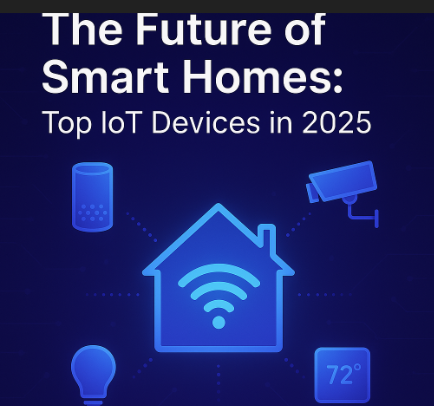
The Future of Smart Homes: Top IoT Devices in 2025
The concept of smart homes has evolved from a futuristic dream to a standard of modern living. As we step into 2025, the integration of Internet of Things (IoT) devices is not just a trend but a transformation of our daily routines. These intelligent systems have redefined the way we engage with our living spaces, offering unparalleled comfort, safety, energy efficiency, and convenience. Whether it's voice-activated lighting or AI-driven security surveillance, IoT is playing a vital role in reshaping our home environments.
Why Smart Homes Are the Future
Today’s tech-savvy consumers are constantly looking for ways to simplify and enrich their lives. Smart homes provide the perfect answer by blending automation, artificial intelligence, and real-time data processing. The demand for smarter living spaces is fueled by the need for increased safety, energy savings, health monitoring, and remote management. As a result, the global smart home market is expected to surpass $200 billion by 2025, showcasing a remarkable rise in the adoption of connected devices across the globe.
These homes are no longer limited to luxury – affordability, accessibility, and consumer awareness have brought smart living within the reach of average households. Government policies encouraging energy efficiency and tech companies' drive for innovation are further pushing this revolution forward.
Top IoT Devices Redefining Smart Living in 2025
1. Smart Thermostats
Next-generation smart thermostats, like those from Nest, Ecobee, and newer emerging brands, use advanced machine learning algorithms to learn your schedule, weather patterns, and preferences. In 2025, they offer features such as geofencing, occupancy detection, room-specific climate control, and integration with smart grid systems and renewable energy sources like solar.
2. AI-Powered Security Cameras
Security has taken a quantum leap with AI-enabled surveillance systems. These cameras now include features like facial recognition, object detection, and edge computing. Brands like Arlo, Ring, and Google Nest have integrated AI to enable real-time threat analysis without needing cloud processing. These systems can now differentiate between humans, pets, vehicles, and unusual behavior, improving responsiveness while maintaining privacy.
3. Voice Assistants with Multi-Device Control
Voice assistants like Alexa, Google Assistant, and Siri have become even more intelligent in 2025. They act as centralized control systems, managing everything from entertainment systems and climate control to kitchen appliances and security. With natural language processing and context-aware responses, they now support dynamic routines, real-time translations, and integration with third-party platforms for deeper automation.
4. Smart Appliances
The kitchen and laundry room have become intelligent spaces with IoT-enabled appliances. Refrigerators can suggest meals based on contents, ovens preheat automatically according to calendar events, and washing machines optimize water and energy use. Samsung's Family Hub and LG ThinQ have been industry leaders, and newer entrants are pushing the envelope with AI chefs and maintenance prediction capabilities.
5. Home Energy Management Systems (HEMS)
HEMS in 2025 have evolved into autonomous energy managers. Integrated with solar panels, energy storage units, and dynamic pricing data from utility companies, these systems make real-time decisions to reduce costs and carbon footprints. They can schedule appliances during off-peak hours and store excess energy for future use.
6. Smart Lighting Systems
Beyond basic voice-controlled lighting, 2025’s smart lighting systems are more responsive and personalized. Technologies like circadian rhythm syncing, ambient light adaptation, and motion-based activation enhance comfort and well-being. Brands like Philips Hue, LIFX, and Nanoleaf now offer advanced customization and integration with mood-detection sensors.
7. Connected Health Devices
The growing focus on wellness has brought connected health devices to the forefront of smart home ecosystems. Smart mirrors analyze skin and vitals, fitness scales track long-term health metrics, and air quality sensors issue alerts about pollution and allergens. These devices integrate with mobile health apps and virtual doctors, making preventive healthcare more accessible.
Advantages of IoT in Smart Homes
- Unmatched Convenience: Automate routine tasks, from waking up with scheduled lighting to brewing coffee.
- Energy Efficiency: Intelligent devices reduce unnecessary consumption, promoting sustainable living.
- Real-Time Security: AI-enhanced alerts and remote surveillance offer peace of mind.
- Remote Accessibility: Whether on vacation or at work, users can control and monitor their homes in real-time.
- Personalized Experiences: Homes learn and adapt to your lifestyle, creating a tailored environment.
- Health Monitoring: Devices support healthier living by monitoring air quality, sleep, diet, and fitness.
Challenges and Considerations
- Privacy and Data Security: With more devices collecting sensitive data, robust encryption and cybersecurity measures are non-negotiable.
- Compatibility Across Brands: Ecosystem fragmentation can hinder smooth integration unless devices support common protocols like Matter.
- Cost of Implementation: Initial setup, device purchases, and infrastructure upgrades can be significant, though ROI is realized over time.
- Connectivity Dependency: IoT systems rely heavily on internet stability and can be disrupted during outages.
Final Thoughts
As we journey through 2025, smart homes are evolving into intelligent ecosystems that enhance every aspect of our lives. The fusion of AI, IoT, and cloud technologies enables homes to think, respond, and adapt like never before. These innovations promise not just convenience, but a proactive environment that contributes to your safety, comfort, health, and sustainability.
Smart homes are no longer a luxury or novelty—they represent the next evolutionary step in digital living. Embracing this wave of transformation could redefine the way we live, work, and interact with our environment.